
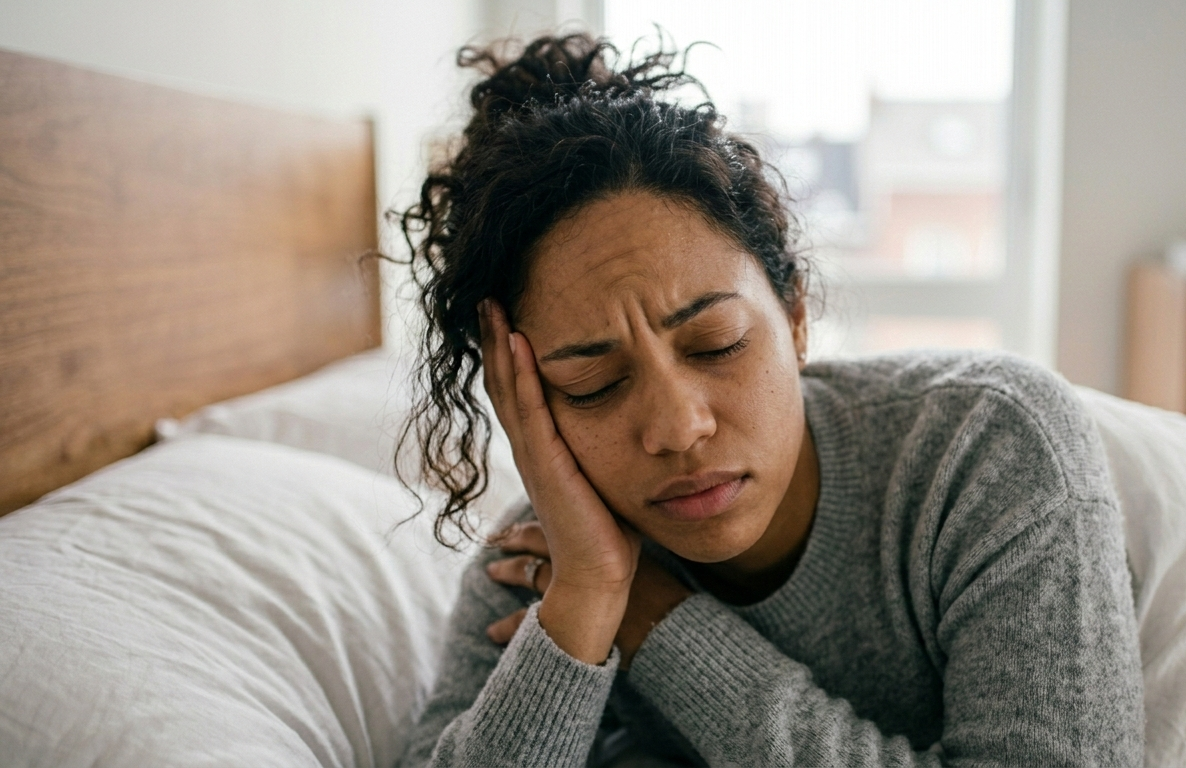
Finding the Light: A Clinical Analysis of the Symbiotic Relationship Between Sleep Architecture and Emotional Resilience at Vitality Wellness
The pursuit of mental well-being is often described as a journey toward balance, clarity, and purpose. Within the clinical framework of Vitality Wellness in Pearland, Texas, this journey is recognized as a deeply personalized experience that requires a holistic understanding of the body and mind. One of the most critical, yet frequently overlooked, pillars of this emotional stability is the intricate relationship between sleep and depression. Research indicates that these two conditions are not merely neighbors in the landscape of mental health; they are deeply intertwined in a bidirectional relationship where each can serve as both a cause and a consequence of the other. For adults navigating the complexities of stress, ADHD, addiction recovery, or weight management, understanding this “vicious cycle” is the first step toward reclaiming a sense of inner peace and physical vitality.
The prevalence of comorbid sleep-mood disorders in the modern era has prompted a shift in how healthcare professionals, such as Dr. Kimberly Wingard, approach treatment. At Vitality Wellness, the focus is on providing a safe space for individuals to share their journeys, backed by over 15 years of clinical expertise and a dual board-certification in family and psychiatric care. By integrating evidence-based therapies with compassionate support, it becomes possible to address the neurobiological roots of sleep disruption and depression simultaneously, fostering long-term healing rather than short-term symptom management.
The Neurobiological Foundations of the Sleep-Depression Cycle
To understand why poor sleep makes depression worse, it is necessary to examine the brain’s internal architecture. Sleep is not a state of inactivity; it is an active physiological process governed by complex neurochemical systems. In a healthy state, the brain cycles through stages of Non-Rapid Eye Movement (NREM) and Rapid Eye Movement (REM) sleep, each serving unique functions for physical repair and emotional processing. However, when clinical depression is present, this topography is often fundamentally altered.
The Bidirectional Nature of Dysregulation
Clinical studies have established that approximately 90% of individuals diagnosed with Major Depressive Disorder (MDD) experience significant sleep disturbances. While depression can lead to symptoms like insomnia (difficulty falling or staying asleep) or hypersomnia (excessive daytime sleepiness), the reverse is equally true: persistent sleep deprivation is an independent risk factor for the development and recurrence of depressive episodes. This bidirectional association suggests that sleep problems are no longer viewed as a mere “side effect” of depression but as a “predictive prodromal symptom” that requires targeted intervention.
The mechanism behind this relationship involves the dysregulation of the Hypothalamic-Pituitary-Adrenal (HPA) axis. The HPA axis is the body’s primary stress response system. In depressed individuals, the axis is often overactive, leading to elevated levels of cortisol—the “stress hormone”—during times when the body should be resting. This chemical imbalance prevents the brain from entering the deep, restorative stages of N3 sleep, which are essential for cognitive health and emotional stability.
| Neurochemical | Primary Function | Impact of Sleep-Depression Dysregulation |
| Serotonin | Mood regulation, sleep-wake cycles | Issues with sleep influence serotonin function, contributing to depression. |
| GABA | Promotes relaxation and inhibits brain activity | Low levels lead to hyperactivity, racing thoughts, and sleep onset issues. |
| Dopamine | Reward, motivation, and daytime arousal | Imbalances cause daytime fatigue and nighttime restlessness. |
| Melatonin | Signals the body to prepare for rest | Delayed production shifts the sleep-wake cycle, common in ADHD and depression. |
| Cortisol | Alertness and stress response | Elevated nocturnal levels lead to fragmented sleep and heightened anxiety. |
The Architecture of a Restless Night
The topography of sleep in a depressed individual typically shows a marked reduction in “slow-wave” sleep (N3) and a shift in the timing and density of REM sleep. In healthy adults, sleep begins with light N1 sleep and progresses into deeper stages before eventually reaching REM sleep, a cycle that repeats every 90 minutes. In the context of depression, individuals often enter REM sleep much sooner than usual, and the intensity of this stage may be increased.
This “REM pressure” is significant because REM sleep is the stage where the brain processes emotional experiences. When REM sleep is disrupted or excessive, the brain’s ability to “digest” the stresses of the day is compromised. This lack of effective emotional processing leaves the individual more vulnerable to negative thoughts and less resilient in the face of daily challenges, further deepening the depressive state.
The “Tired but Wired” Brain: Amygdala and Prefrontal Connectivity
One of the most profound insights into the sleep-depression link comes from neuroimaging research, which explores how the brain’s emotional circuitry responds to sleep loss. When an individual is sleep-deprived, the brain enters a state that researchers often describe as “emotionally hyper-reactive”. This state is driven by a breakdown in communication between two key regions of the brain: the amygdala and the prefrontal cortex.
The Amygdala: An Overactive Emotional Gas Pedal
The amygdala serves as the brain’s primitive emotional center, functioning as a “threat detector” that generates strong feelings like fear, anger, and sadness. Under normal, well-rested conditions, the amygdala’s reactions are kept in check by the rational, higher-order thinking of the prefrontal cortex. However, functional MRI (fMRI) studies have shown that just one night of sleep deprivation can trigger a 60% increase in amygdala reactivity to negative emotional stimuli.
This biological amplification means that a sleep-deprived person is physically primed to have a stronger, more negative reaction to stressful events. For a patient already struggling with the heavy burden of depression, this increased sensitivity can make even minor setbacks feel catastrophic. The brain’s “emotional gas pedal” is essentially stuck, making it nearly impossible to maintain a steady mood or perspective.
The Prefrontal Cortex: Weakened Brakes
While the amygdala becomes hyper-reactive, the prefrontal cortex (PFC)—the brain’s “CEO” responsible for judgment, impulse control, and emotional regulation—begins to lose its grip. Sleep deprivation weakens the functional connectivity between the PFC and the amygdala. This is known as “functional decoupling.”
When the connection is weak, the PFC cannot effectively “tell” the amygdala to calm down. This is why it is so difficult to use cognitive-behavioral skills—such as challenging a negative thought—when one is exhausted. The rational “brakes” of the brain are simply offline. At Vitality Wellness, Dr. Wingard emphasizes that this is not a personal failure or a lack of willpower; it is a biological reality that requires professional support and compassionate intervention.
ADHD, Sleep, and the Challenge of Executive Function
For adults living with Attention-Deficit/Hyperactivity Disorder (ADHD), the relationship between sleep and mood is even more complex. Estimates suggest that 25% to 50% of individuals with ADHD experience chronic sleep problems, ranging from insomnia to restless legs syndrome and sleep apnea. The intersection of ADHD and depression often creates a unique set of hurdles for those seeking wellness.
Delayed Sleep Phase Syndrome (DSPS)
Many individuals with ADHD suffer from a disruption in their circadian rhythm known as Delayed Sleep Phase Syndrome (DSPS). This condition is characterized by a natural “night owl” tendency where melatonin production is delayed, leading to a surge of alertness late in the evening. While this may feel like a burst of productivity, it often leads to chronic sleep deprivation when the individual must wake up early for work or family responsibilities.
This lack of sleep directly exacerbates ADHD symptoms, such as inattention, impulsivity, and emotional outbursts. When these symptoms worsen, they can lead to increased stress and feelings of hopelessness—common hallmarks of depression. Breaking this cycle requires a tailored approach that addresses both the neurochemical imbalances of ADHD and the practical routines of sleep hygiene.
The Role of Dopamine and Norepinephrine
The neurotransmitters dopamine and norepinephrine play starring roles in both ADHD and sleep regulation. Imbalances in these chemicals lead to the hallmark symptoms of hyperactivity and difficulty focusing, which can keep the brain in a state of high arousal at night. Conversely, poor sleep quality further disrupts the balance of these neurotransmitters, making ADHD management significantly more difficult the next day.
| ADHD-Related Sleep Issue | Primary Mechanism | Impact on Daily Function |
| Insomnia | Racing thoughts, evening hyperactivity | Difficulty falling asleep, daytime fatigue. |
| Restless Sleep | Frequent awakenings, low GABA levels | Poor sleep quality, irritability, mood swings. |
| Delayed Bedtimes | Circadian rhythm shift (DSPS) | Social jetlag, difficulty adhering to schedules. |
| Daytime Sleepiness | Chronic sleep debt, brain arousal issues | Reduced focus, reliance on stimulants/caffeine. |
Addiction Recovery and the Critical Role of Rest
In the context of addiction recovery, sleep is often the “silent partner” in maintaining long-term sobriety. At Vitality Wellness, where Dr. Wingard provides medication-assisted treatment (MAT) and compassionate support for substance use disorders, sleep is treated as a vital component of the healing process.
Sleep as a Predictor of Relapse
Research shows that approximately 40% of individuals in the early stages of recovery from drugs or alcohol report significant sleep problems. Insomnia often persists long after the physical withdrawal symptoms have faded, acting as a persistent stressor that can trigger cravings and emotional dysregulation.
When the brain is sleep-deprived, it becomes harder to resist the impulsive behaviors associated with addiction. The same “amygdala-PFC decoupling” that occurs in depression also happens in addiction recovery, making the individual more susceptible to triggers. Prioritizing sleep is not just about feeling better; it is a clinical strategy for reducing the risk of relapse and strengthening emotional resilience.
Healing the Brain During Deep Sleep
During the deep stages of sleep, the brain performs critical maintenance tasks, including “solidifying new learning” and processing the complex emotions that often surface during therapy. For someone in recovery, this processing time is essential for integrating the tools and strategies they are learning at Vitality Wellness. Without restorative sleep, the emotional weight of recovery can feel insurmountable, leading to a higher risk of mood disorders and a return to substance use.
Metabolic Health, Weight Management, and the Sleep Link
Many adults seek help at Vitality Wellness not only for mental health but also for weight-related concerns and metabolic health. The link between poor sleep, depression, and weight gain is rooted in both behavioral choices and physiological shifts in hunger-regulating hormones.
The Amygdala-Hypothalamic Food Reward Circuit
Recent neuroscience has identified a specific circuit in the brain—the amygdala-hypothalamic coupling—that becomes overactive during sleep deprivation. This circuit is responsible for food valuation and reward. When we are tired, our brains significantly increase the perceived value of high-calorie, “junk” foods.
This upregulation means that sugar cravings are not just a matter of “bad habits”; they are a biological response to an exhausted brain seeking a quick energy source. Furthermore, sleep loss leads to a decrease in the hormone leptin (which tells us we are full) and an increase in ghrelin (which tells us we are hungry). This “hormonal double whammy” makes weight management exceptionally difficult for those struggling with chronic sleep issues and depression.
| Hormone | Normal Function | Effect of Sleep Deprivation |
| Ghrelin | Stimulates appetite (hunger signal) | Levels increase, leading to persistent hunger. |
| Leptin | Suppresses appetite (fullness signal) | Levels decrease, leading to overeating. |
| Cortisol | Regulates energy and stress | Elevated levels lead to abdominal fat storage. |
| Insulin | Manages blood sugar levels | Sensitivity decreases, increasing the risk of metabolic issues. |
The Texas Context: Mental Health and the Environment in Pearland
The environment in which we live plays a significant role in our mental health. In Texas, where nearly 22% of adults report having been told they have a depressive disorder, the challenges of access to care and environmental stressors are significant. However, there are also unique geographical benefits that Dr. Wingard encourages her clients to utilize.
The Power of the Texas Sun
Sunlight is one of nature’s most effective tools for regulating the circadian rhythm and boosting mood. Exposure to bright sunlight early in the day ideally within the first 30 to 60 minutes after waking triggers the release of serotonin and sets a biological “timer” for melatonin production later in the evening.
In Pearland and the surrounding Texas coastal areas, residents have access to abundant sunlight, which can act as a natural antidepressant by reducing cortisol levels and enhancing mental clarity. Studies have shown that even a short morning walk can significantly improve mood and help synchronize the sleep-wake cycle, providing a simple yet powerful tool for those struggling with depression and insomnia.
NatureScores and Well-Being
The relationship between “green spaces” and mental health is more than anecdotal; it is backed by a first-of-its-kind analysis from Texas A&M University. The study found that residents in urban areas with higher “NatureScores” a measure of exposure to trees and natural environments required fewer mental health services for depression, anxiety, and stress.
Specifically, the study revealed that a NatureScore above 40 (considered “Nature Adequate”) serves as a threshold for better mental health. People in these neighborhoods have a 51% lower likelihood of developing depression. For the community at Vitality Wellness, spending time in local parks or nature trails is not just a recreational activity; it is a scientifically proven way to bolster emotional well-being and improve sleep quality.
Practical Strategies for Restoring Your Sleep-Mood Balance
Breaking the cycle of poor sleep and depression requires a combination of clinical intervention and consistent daily habits. At Vitality Wellness, the approach is centered on “empowering you with real tools for stress management, lifestyle change, and self-care”.
Cognitive Behavioral Therapy for Insomnia (CBT-I)
While traditional talk therapy is incredibly valuable for depression, CBT-I is a specialized form of therapy specifically designed to address chronic sleep issues. CBT-I helps individuals reframe anxious thoughts about sleep and establish healthier routines without a primary reliance on medication. By addressing the “root causes” of sleep disruption—such as ruminating over mistakes or an inconsistent schedule—CBT-I has been proven to improve both sleep quality and daytime functioning.
Creating a Sensory-Based Nighttime Routine
Your nervous system needs clear signals to transition from the “go” mode of the day to the “rest” mode of the night. A 45-minute wind-down routine that engages the senses can help your body feel safe and grounded.
- Visual Cues: Dim the lights at least 60 minutes before bed. This triggers your brain to begin producing melatonin. Avoid the blue light of smartphones, which can trick the brain into thinking it is still daytime.
- Olfactory Triggers: Calming scents like lavender or chamomile are directly linked to the emotional centers of the brain. Using a specific scent at bedtime can create a powerful “habit loop” that signals it is time to rest.
- Auditory Calm: Create a consistent sound environment, whether through white noise, soft music, or a guided meditation. Predictability in sound can soothe the anxiety often associated with the quiet of the night.
- Physical Grounding: Simple activities like changing into dedicated sleepwear or doing light stretches can cue your brain that the day is over. For some, a weighted blanket provides a sense of calm through deep pressure touch.
The Role of Nutrition and Movement
What you do during the day is just as important as what you do at night. A balanced diet focusing on whole foods vegetables, fruits, and healthy fats has been shown to support positive mental health outcomes. At the same time, regular exercise even just ten minutes of movement can boost serotonin levels and decrease cortisol, acting as a “mental health elixir”.
- Limit Late-Night Sugar: High-sugar snacks before bed can cause blood sugar spikes that disrupt the sleep cycle.
- Be Mindful of Caffeine: Consuming caffeine in the afternoon can delay the buildup of “sleep pressure,” making it harder to fall asleep later.
- Avoid Alcohol Before Bed: While it may feel like a sedative, alcohol significantly reduces the quality of sleep and causes more frequent interruptions during the night.
Clinical Excellence at Vitality Wellness: A Partnership in Healing
Navigating the path to positive change is rarely a journey one should take alone. At Vitality Wellness, Dr. Kimberly Wingard combines her background in psychology with her advanced training as a Psychiatric Mental Health Nurse Practitioner to offer a “custom approach to each client”. Her practice is built on the belief that true wellness goes beyond prescriptions and diagnoses; it is about building resilience and reclaiming joy.
A Holistic and Evidence-Based Approach
Whether you are seeking help for anxiety, depression, bipolar disorder, or ADHD, the care at Vitality Wellness is grounded in trust and mutual respect. By integrating medication management with supportive therapy and wellness coaching, Dr. Wingard addresses both the biological and psychological aspects of your health. Her patients frequently describe her as “incredibly kind,” “thorough,” and “easy to talk with” qualities that are essential for creating the safe space needed for healing.
For those in the Pearland community and across Texas (available both in-person and online), the journey to better mental health starts with a single step. By addressing the bidirectional relationship between sleep and depression, you are not just treating a symptom; you are laying the foundation for a healthier, more fulfilling life.
The Path Forward: Embracing Compassion and Patience
The relationship between sleep and depression is a profound reminder of how interconnected our physical and emotional selves truly are. When one part of the system is struggling, the others naturally feel the strain. However, this also means that when we take steps to improve our sleep, we are simultaneously feeding our emotional well-being. It is important to remember that progress is not about being perfect; it is about being consistent and gentle with yourself as you navigate these challenges.
At Vitality Wellness, we understand that the road to recovery can feel overwhelming, but you deserve the compassionate support required to reach your goals. By prioritizing your rest and working closely with a supportive professional, you can break the cycle of poor sleep and depression, finding your way back to stability and peace. You have the potential for growth and happiness, and we look forward to supporting you every step of the way as you reclaim your vitality and purpose in life.
This is informational only, not emergency care, and not a substitute for medical advice. If you are experiencing a mental health emergency, please contact a crisis hotline (such as 988) or go to the nearest emergency room. Professional consultation is essential for accurate diagnosis and personalized treatment planning for sleep disorders and mental health conditions.